
You find a remote job post that sounds right for you. You read the requirements once, then again, and a quiet voice tells you that you are not ready for this yet. So you close the tab and promise yourself you will apply next month.
That voice has a name. Imposter syndrome tends to show up right before a career change, when you are weighing a move into something new and have nothing yet that proves you can do it. In this article, we look at what it feels like at the applicant stage, why it gets louder during a career change, how to tell it apart from a real skill gap, and what you can do so it does not make the decision for you.
What Imposter Syndrome Feels Like Before a Career Change
Imposter syndrome is the persistent feeling that you are less capable than others believe, paired with a fear of being found out. A psychologist describes it as an experience that comes in cycles and differs from person to person, and she is clear that it is not a mental disorder. It also explains that ordinary self-doubt turns into imposter syndrome when it starts pushing you away from opportunities because you feel you do not deserve them.
Before a career change, it rarely looks dramatic. It can look like:
- Waiting until you feel completely ready before you apply
- Reading a job post and focusing only on the one requirement you do not meet
- Comparing your first attempt with someone else’s polished profile online
- Crediting your past successes to luck or good timing
Why the Doubt Gets Louder When You Are Changing Careers
A career change takes away the things that usually make you feel capable. You leave behind a role where you knew the tools, the people, and what a good day looked like. In a new field, you start with no track record, and remote work adds questions of its own, from how you will work with a team you have never met to how your output will be measured. Fast-changing tools, including AI, can add to the feeling of being behind before you even start.
You are also far from alone in considering the move. 55% of Filipino workers said they often think about changing careers. Thinking about a change is one step. For some, self-doubt is what keeps that thought from ever becoming an application.
Self-Doubt or a Real Skill Gap? How to Tell the Difference
Some hesitation has a real basis, because sometimes you do need to learn something first. Telling the two apart matters, since each one calls for a different response.
Self-doubt tends to be vague. It sounds like “I am not good enough” or “they will see through me,” with nothing specific attached. A skill gap is concrete. You can name it, such as “I have never used a project management tool,” and you can work on it. A speaker from the mental health organization puts it plainly: feeling unqualified does not mean you are unqualified.
To check which one you are facing, try this with any job post:
- List everything the role asks for.
- Mark what you can already do, even if you learned it in a different setting.
- Mark what you could learn within a few weeks.
- Circle what is truly missing.
If the circled list is short or empty, the hesitation is likely doubt talking. If it is long, you now have a clear list of what to work on.
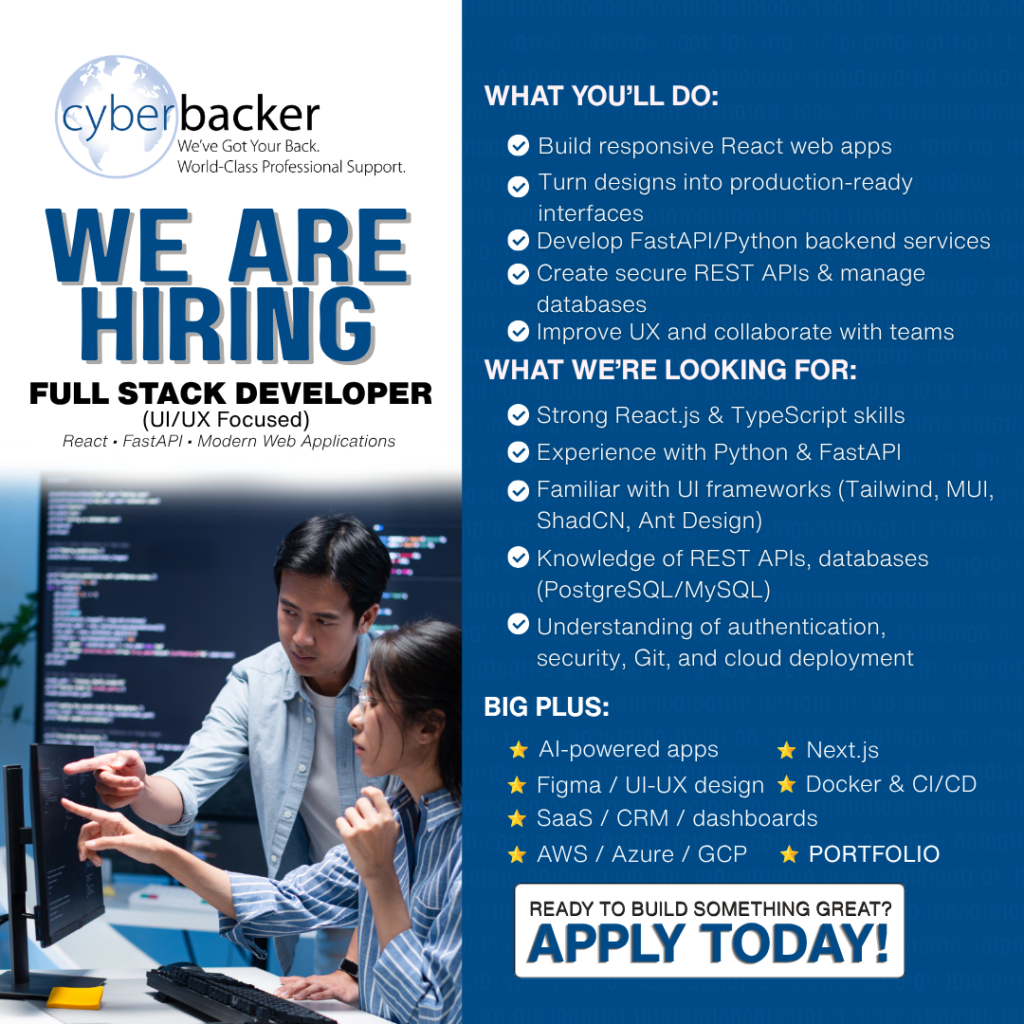
Our role listings make this easier to do. Each role spells out its responsibilities and requirements so that you can run this check against a real position.
Practical Ways to Build Confidence Before You Apply
Confidence before a career move comes from evidence you can point to. These habits help you collect it.
- Keep a record of your skills and wins. Write down tasks you handled well, problems you solved, and feedback you received. When doubt shows up, you have something concrete to read instead of a feeling to argue with.
- Set small, specific preparation goals. “Get better at spreadsheets” is hard to finish. “Learn to build a basic pivot table this week” gives you a clear result to look back on.
- Talk to someone who has made a similar move. Hearing how another person handled their first weeks makes the unknowns feel smaller, and saying your worries out loud can take away some of their weight.
- Close one gap with a short course. Pick one item from your circled list and work on it.
- Prepare for the interview. Practice answering common questions out loud and test your setup ahead of time, so there are fewer surprises on the day.
When an Application Does Not Go Your Way
Imposter syndrome has a habit of treating a setback as proof. A rejection email or an interview that felt shaky can seem to confirm every doubt you had before you applied. The same psychologist also points out that doubt tends to lead to one of two responses: putting things off, or over-preparing until nothing feels good enough. Either one can keep you from trying again.
A more useful approach is to treat the result as information.
- Separate the outcome from your ability. An application can fall through for reasons outside your control, such as timing, the number of applicants, or a closer match for that specific role.
- Look for one thing to improve. If feedback or your own notes point to a specific gap, add it to the list from your skill check and work on it.
- Update your record of wins. Finishing an application, practicing for an interview, and learning a new tool all count as progress.
- Set a date to try again. A clear next step keeps one result from turning into a long pause.
What to Look for in a Remote Career That Supports Your Growth
Where you start matters as much as how ready you feel. A supportive starting point gives you structure while you build skill, which keeps doubt from taking over in your first months. Look for:
- Training before and after you are matched with work
- Clear expectations for each role
- A team you can turn to with questions
- A visible path to professional growth
At Cyberbacker, Growth is one of our core values, and we build our process around it. Every cyberbacker goes through a multi-phase training program before being matched with a client, followed by training tailored to that client’s systems. Training is free, and you are paid while you train.
Making Your Next Move
You now have a way to answer imposter syndrome when it speaks up: name the feeling, check it against the facts, close the gaps you find, treat setbacks as information, and choose a place where you can keep learning.
If your skill check turned up more marks than circles, you have your answer. If a few gaps remain, Cyberbacker is a place to close them, with training that starts before you are matched with a client and a team to learn alongside. The doubt may still be there when you take this step. Just do not let it be the one that decides. Join us and turn your circled list into your first training plan.